

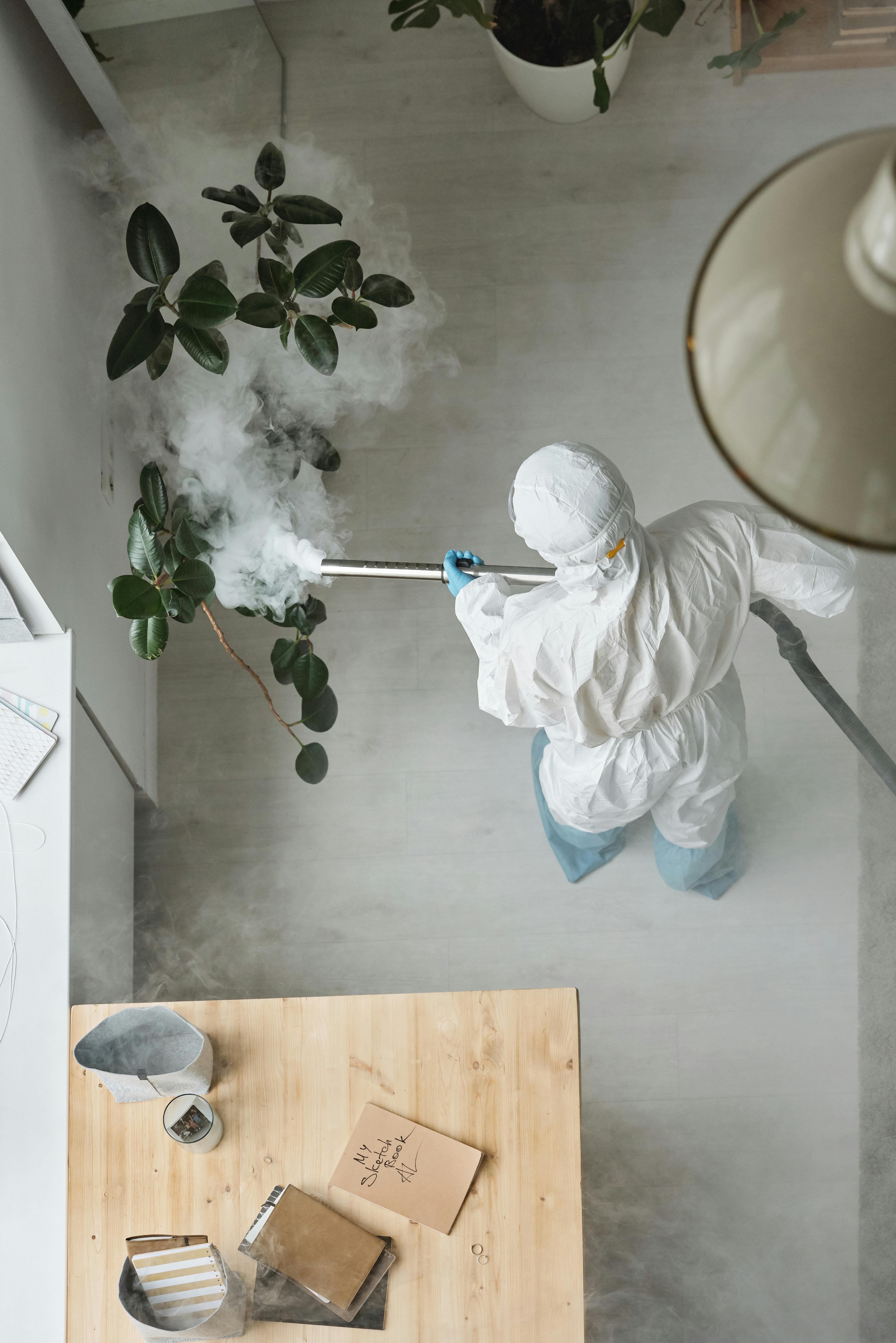
What to Expect During a Professional Pest Inspection
What to Expect During a Professional Pest Inspection
If you’ve noticed unusual sounds, droppings, damage to wood, or an increase in insects around your home, you may be wondering whether it’s time to schedule a professional pest inspection. For many homeowners, the process can feel unfamiliar — and even a little intimidating.
The good news? A professional pest inspection is straightforward, non-invasive, and designed to protect your home before small problems become costly infestations. Here’s exactly what you can expect during a professional pest inspection and why it’s one of the smartest steps you can take for your property.
Why Pest Inspections Are Important
Pests often remain hidden until damage is already underway. Termites can weaken structural wood, rodents can contaminate insulation, and insects like cockroaches and ants can multiply rapidly without obvious warning signs.
A professional pest inspection helps:
- Detect pest activity early
- Identify hidden infestations
- Prevent costly repairs
- Protect your family’s health
- Create a targeted treatment plan
Even if you don’t currently see pests, routine inspections can uncover issues before they escalate.
Step 1: Initial Consultation and Property Overview
A professional pest inspection typically begins with a brief conversation. The technician may ask questions such as:
- Have you noticed pests or damage?
- When did the issue start?
- Are there specific areas of concern?
- Have you had pest problems in the past?
This information helps guide the inspection and ensures no areas are overlooked.
Step 2: Exterior Inspection of the Property
Most pest problems begin outside. The technician will carefully inspect the exterior of your home, including:
- Foundation and slab edges
- Entry points such as doors, windows, and vents
- Rooflines, soffits, and eaves
- Landscaping, mulch beds, and tree lines
- Moisture-prone areas and drainage
Cracks, gaps, standing water, and wood-to-soil contact are common pest entry points. Identifying these areas early is key to long-term prevention.
Step 3: Interior Inspection
Next, the technician will inspect the interior of your home. This may include:
- Kitchens and bathrooms (high moisture areas)
- Attics and crawl spaces
- Basements and utility rooms
- Baseboards, cabinets, and storage areas
They will look for signs such as droppings, nesting material, chew marks, damaged wood, or insect activity. Advanced tools like moisture meters or probing tools may be used to detect hidden problems.
Step 4: Identification of Pest Activity
Once the inspection is complete, the technician will identify:
- The type of pest present (if any)
- The severity of the issue
- Areas of active infestation
- Conditions attracting pests
Accurate identification is critical because different pests require different treatment methods. A professional inspection ensures the solution is tailored — not generic.
Step 5: Review of Findings and Recommendations
After the inspection, the technician will explain their findings in clear, easy-to-understand terms. You’ll learn:
- What pests were found (or ruled out)
- Where activity was detected
- Potential risks or damage
- Recommended treatment options
You’ll also receive preventative recommendations, such as sealing entry points, improving drainage, or reducing moisture issues.
Step 6: Customized Treatment Plan (If Needed)
If pests are found, a customized treatment plan will be created based on:
- Type of pest
- Level of infestation
- Size and layout of the property
- Environmental considerations
Professional pest control focuses on effective, targeted treatments — not unnecessary chemical use. Many modern approaches prioritize long-term prevention and environmentally responsible solutions.
How Long Does a Pest Inspection Take?
Most professional pest inspections take 30 to 90 minutes, depending on the size of the property and the scope of the inspection. Larger homes or properties with crawl spaces or attics may take slightly longer.
How Often Should You Schedule a Pest Inspection?
It’s recommended to schedule a professional pest inspection:
- Annually for general prevention
- Before buying or selling a home
- If you notice signs of pest activity
- After storms, flooding, or construction
In areas with high humidity and year-round pest pressure, regular inspections are especially important.
Schedule Your Professional Pest Inspection
A professional pest inspection provides peace of mind, protects your investment, and helps ensure your home remains safe and pest-free. Whether you’re dealing with a current issue or want to prevent future problems, an inspection is the first step toward an effective solution.
If you’re ready to schedule a professional pest inspection, contact a trusted local pest control provider today and take control of your home’s protection.
6o5fy5
55ub3h
So, 13wim is around. Took a quick peek. Just a reminder: stick to a plan and don’t go nuts. More over here: 13wim
Checkin’ out 16betapp on my phone. Not bad! Remember always gamble responsibly. Get the app at: 16betapp
3jlcasino, alright! Rolled the dice there a bit. Set a limit, and don’t break it. You can check it out here: 3jlcasino